


Medical Systems Engineer
Systems engineer focused on building medical technologies that support and augment physiological function under real clinical constraints.
My work sits at the intersection of imaging, mechatronics, and computational methods, with an emphasis on systems that adapt to biological function rather than override it. I have developed prototypes across university research settings and internships, including image guided training tools and experimental platforms for data driven iteration. I hold an MEng in Bioengineering from UC Berkeley, where my work spanned Magnetic Particle Imaging and microfluidic system development, and I am currently an R&D engineer at Fogarty Innovation, leading electromagnetic simulation and electrode design for a Class III implant.
WHY BIOMEDICAL ENGINEERING
My inspiration to becoming a biomedical engineer
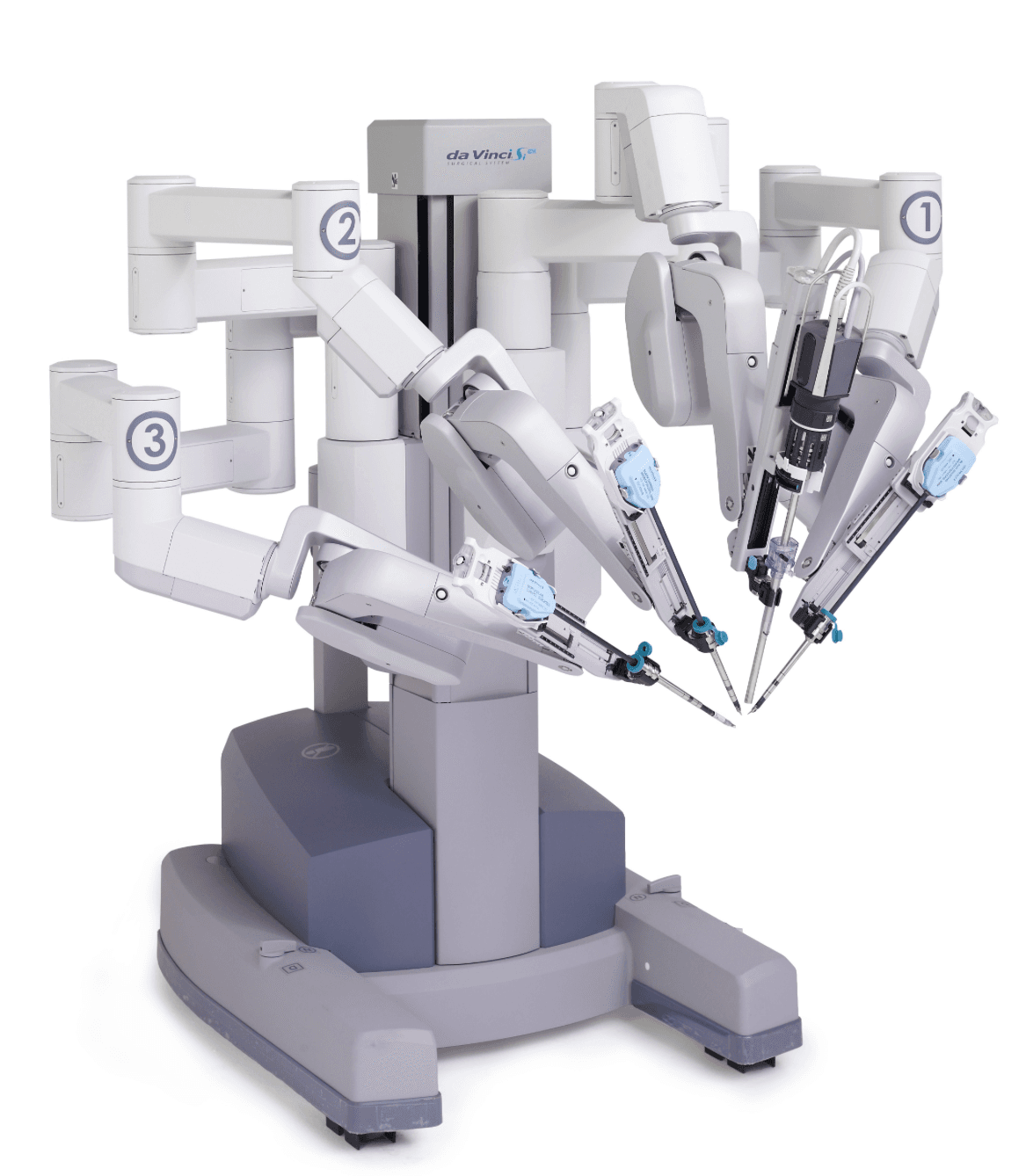
“I was in elementary school when I saw a video of a da Vinci surgical robot suturing a grape, and it became my first spark of interest in STEM, four arms moving at once the way Doc Ock’s did in the Spider-Man movies.
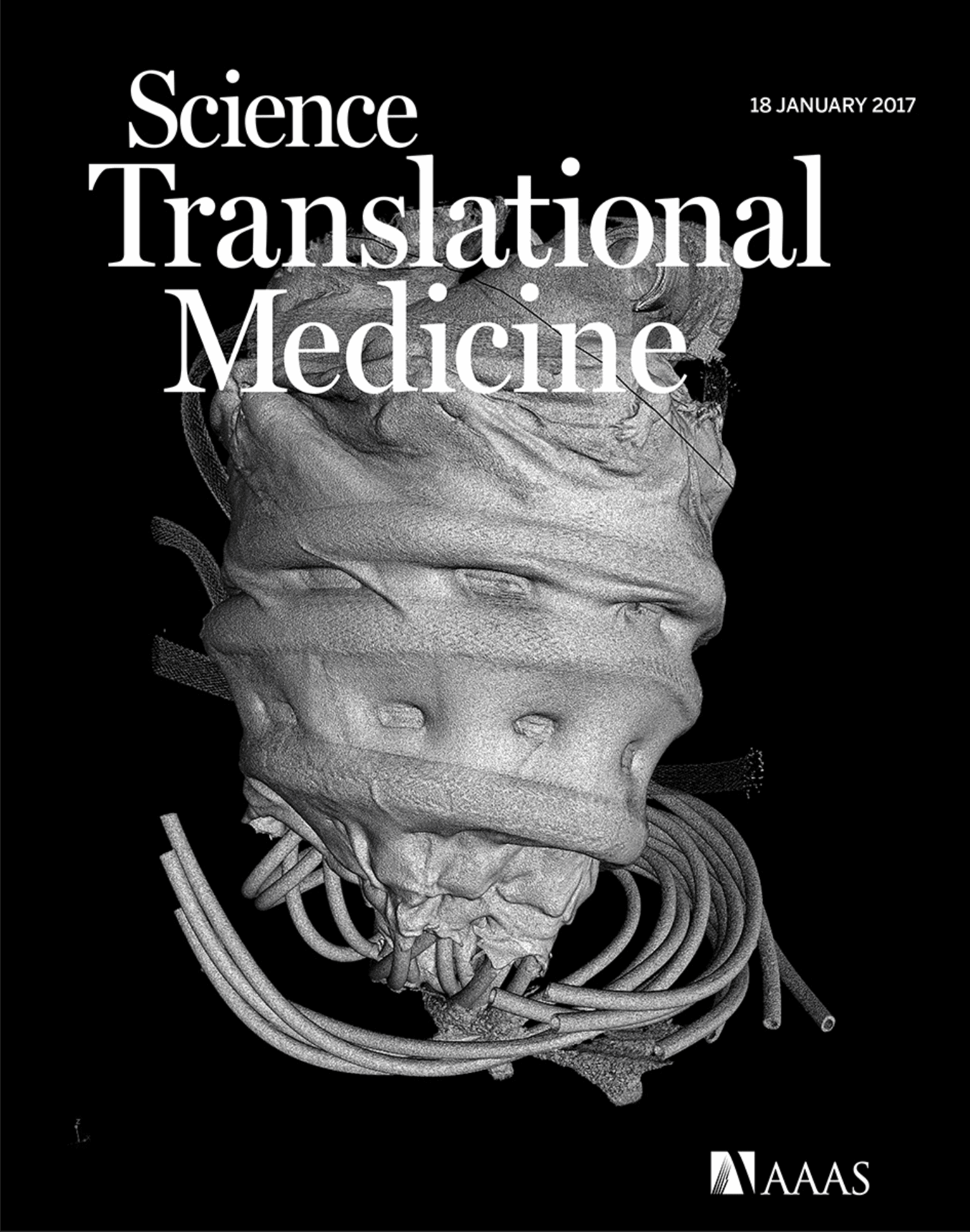
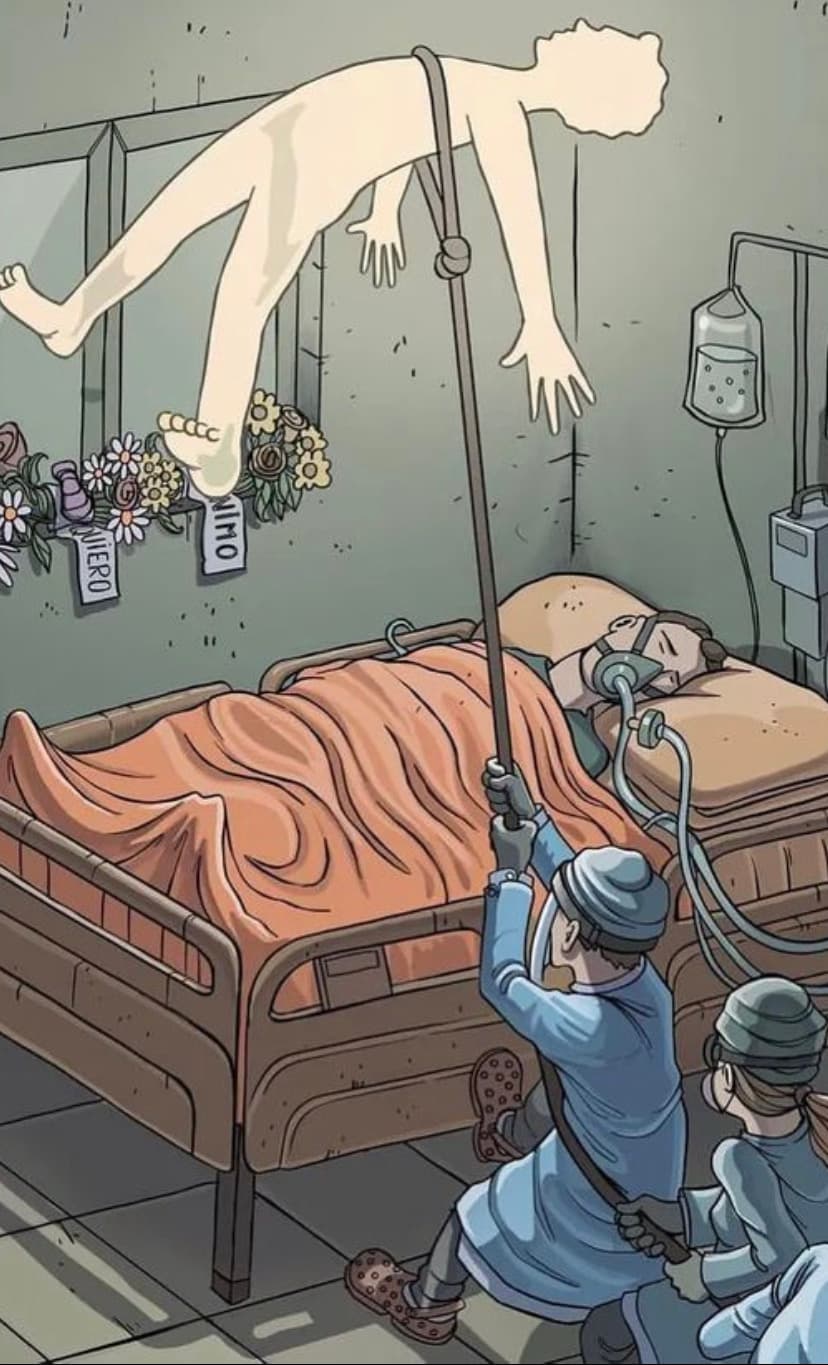
In 2017, my father brought home a science magazine and one cover stayed with me. It featured Dr. Ellen T. Roche’s soft robotic heart sleeve, and it was the first time I really saw how engineering could expand what medicine is capable of. Later, through high school, I leaned more seriously toward becoming a doctor, drawn by the human impact and the idea of working on the front lines with Doctors Without Borders. I followed a lot of medical pages on Instagram, and one post in particular stopped me. It showed a doctor pulling a patient back with a rope, and instead of only seeing the hero in the doctor, I couldn’t stop thinking about the rope itself.
Then it clicked. The rope was everything behind the clinician, the technologies, diagnostics, imaging, and tools that make saving lives possible in the first place. In that moment, it felt less like an interest and more like a vocation, a calling to build those tools and scale impact beyond one person at a time. That is what led me to Biomedical Engineering at King’s College London, and I have never looked back since.”
Side Projects
Manasa AI
Product & Full-Stack Development
A learning-first AI tutor built to coach thinking rather than replace it, with hints-first prompts and an AI Study Trace that gives teachers visibility into how help was used.

Rufff AI
Full-Stack Engineering & Product Design
A privacy-first career workspace pairing a Kanban application tracker with a context-aware AI agent and a LaTeX document builder, on a bring-your-own-key model.
My Journey
R&D Engineering
Jun 2026 – Present

Leading the electromagnetic simulation in Sim4Life for a Class III extracochlear neural implant, guiding electrode design decisions in support of a human clinical feasibility study. Designing extracochlear electrode arrays and running bioheat and tissue-damage analysis against ISO 14708-1 limits, alongside an anatomically accurate cochlea model built in SolidWorks from micro-CT segmentation.
MEng Bioengineering
Aug 2025 – May 2026
Specializing in Medical Imaging and Microfluidics, developing technologies to correct and augment physiological function.
MPI Tracer Purification
Built MagStick, a magnetophoretic purification device for Magnetic Particle Imaging (MPI) tracers.
TuriTap Adaptation Kit
Designing TuriTap handpump adapters for 90% faster installation in rural water systems.
Morphing Matters / Robotic Dress
Creating an expressive wearable system integrating soft robotics and sensing.
Automation Engineering
Jun 2025 – Sept 2025
Developed automated spin-coating workflows and validation protocols for materials science research.
BEng Biomedical Engineering
Sept 2022 – May 2025
Comprehensive training in medical physics, mechatronics, and clinical engineering.
C-arm Simulator for a Robotic Catheter Platform
Built a two-axis bench-top C-arm simulator so an image-guided robotic catheter platform could be tested outside a shielded cath lab.
NASRAT (Stroke Risk AI)
Designed the Quality Management System (QMS) for an AI-based SaMD stroke risk tool.
CL-Air Smart Air Quality Monitor
IoT device for real-time air quality monitoring with cloud dashboard integration.
Haptic Museum Display
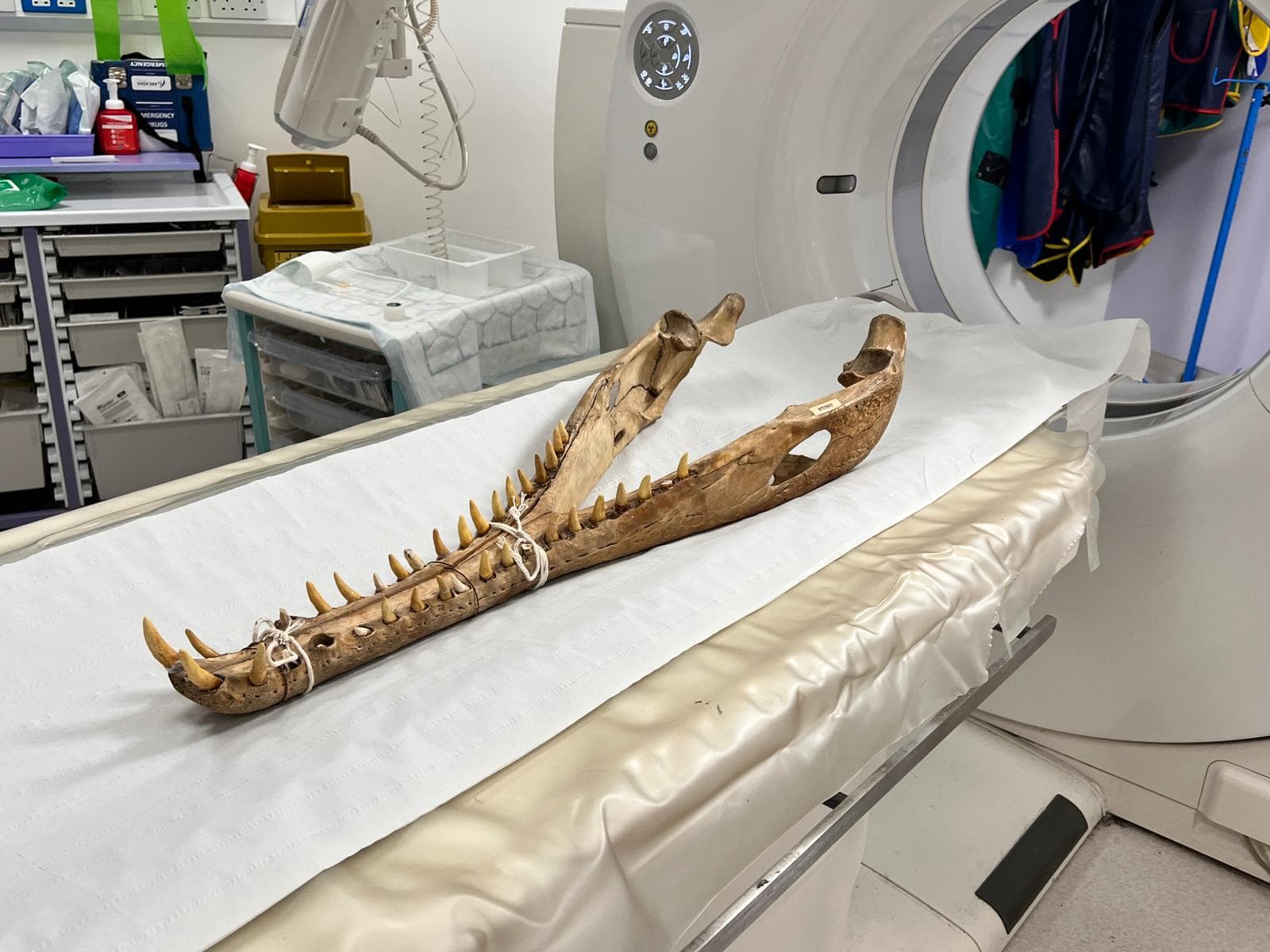
Tactile fossil anatomy display for visually impaired visitors at the Gordon Museum.
Re-Birth: 3D Childbirth Simulation
Immersive 3D visualization of childbirth physiology using patient-specific MRI data.
IB Diploma
2020 – 2022
Subjects
- Chemistry HL: 7
- Biology HL: 7
- Mathematics AA HL: 6
- Physics HL: 6
- English SL: 6
- French Ab Initio: 6
- EE/TOK: 3
Physics HL (6), Chem HL (7), Bio HL (7), Math AA HL (6). Active in COVID fundraising via Kolkata Foundation.
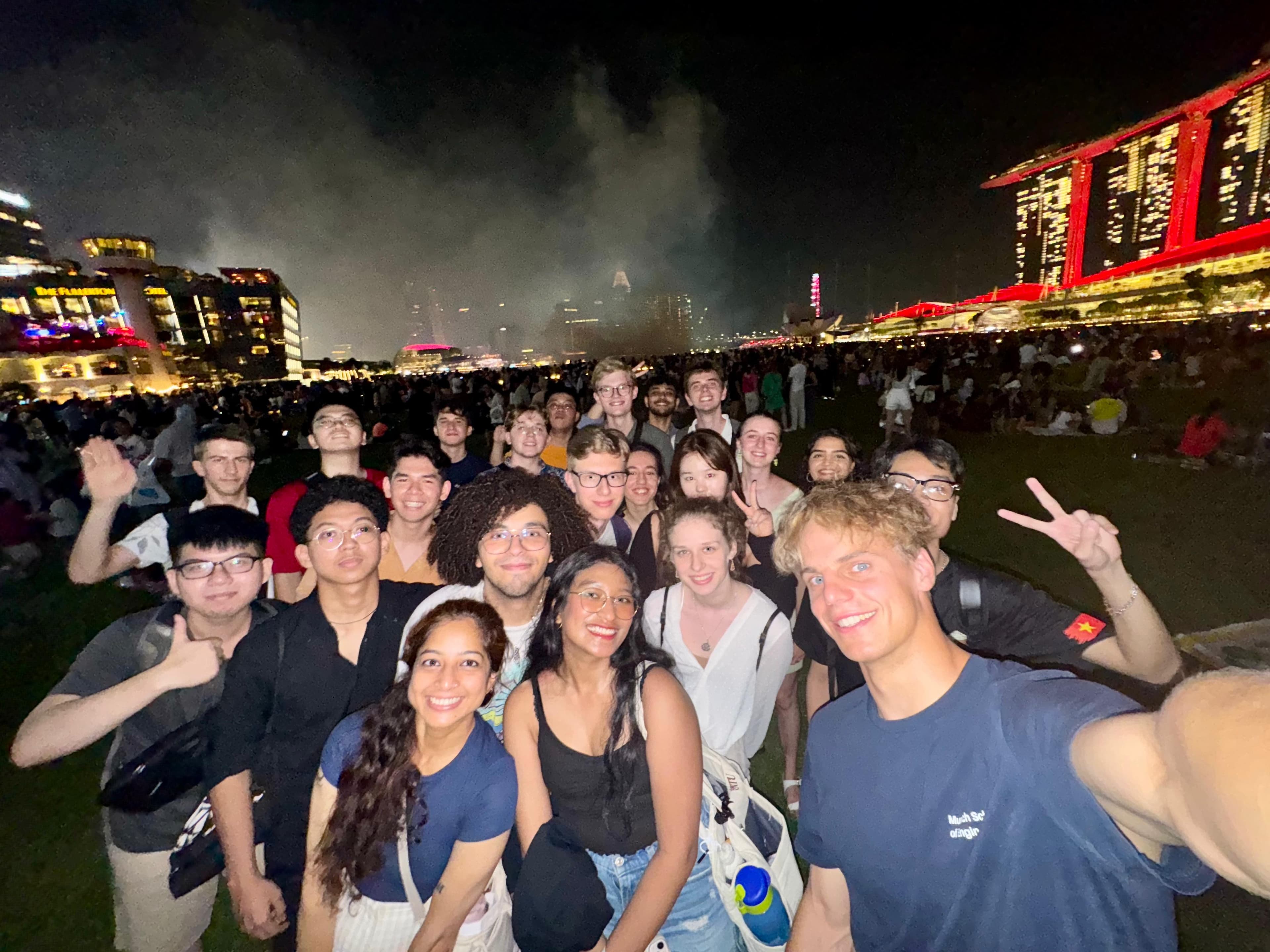
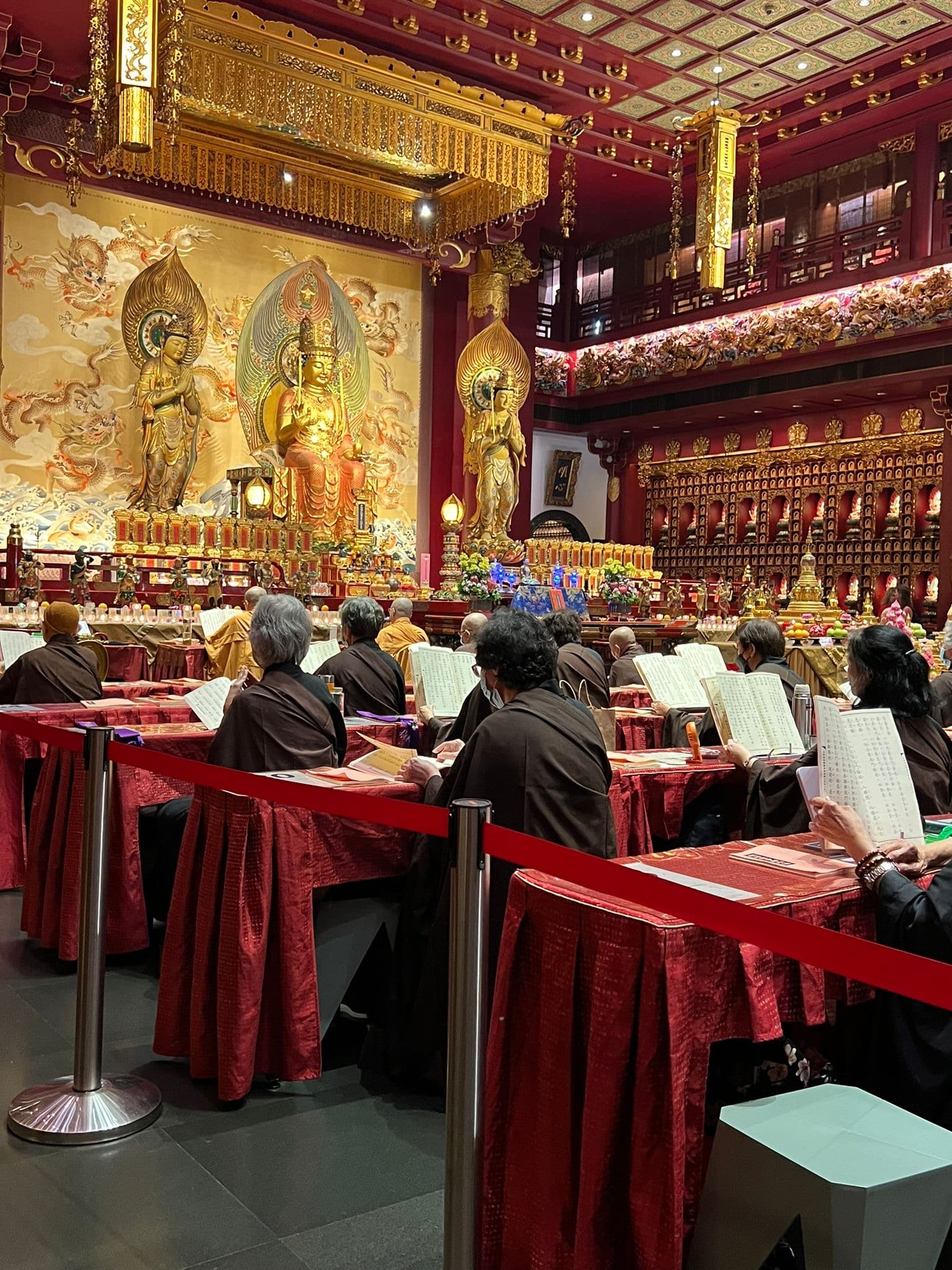
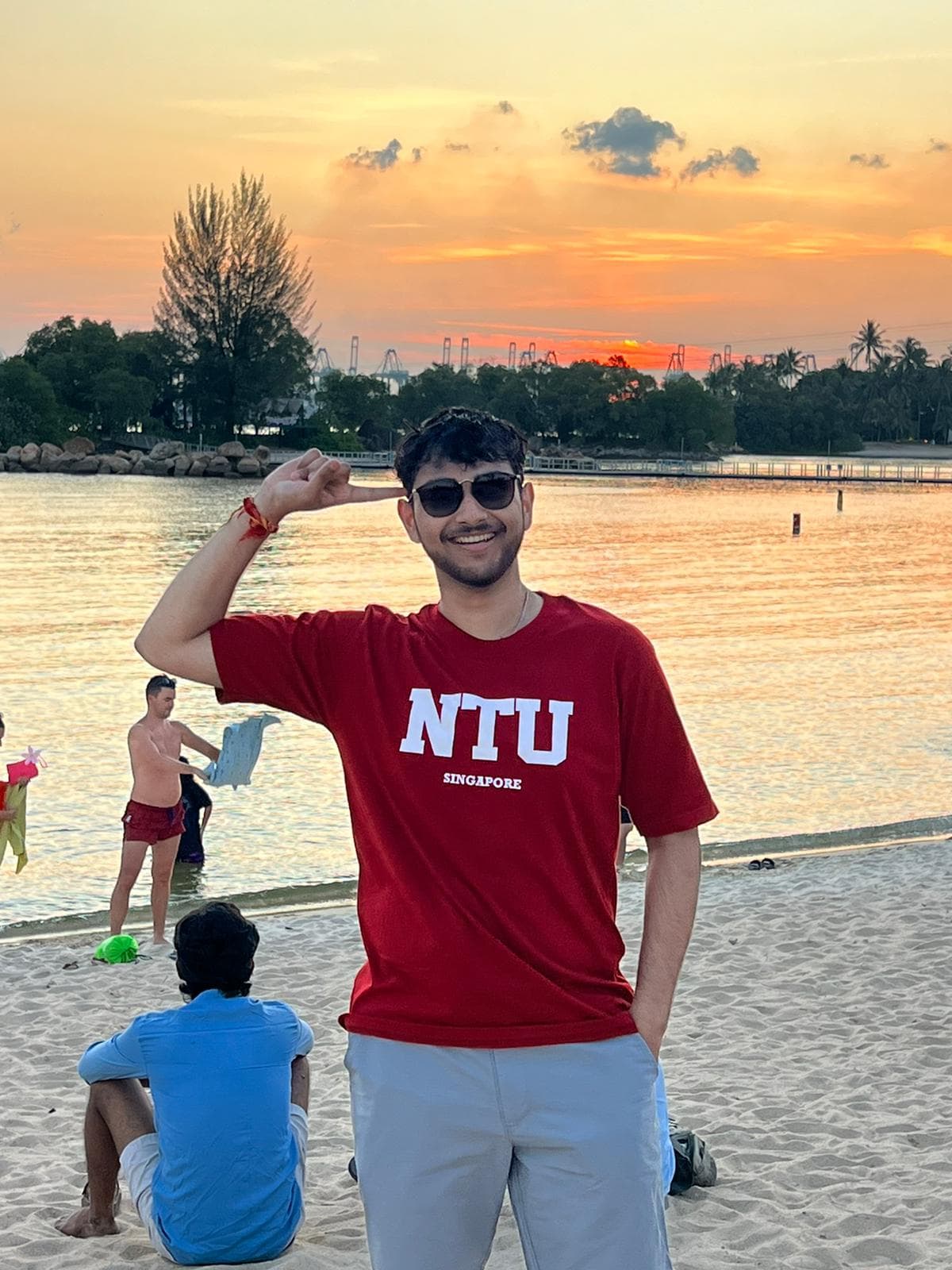
Glimpses of my life